
Glow from the inside out.
If you’ve spent years trying to treat acne scars, dull skin, and fine lines with products that promise results but rarely deliver, the problem isn’t effort — it’s approach. At Aura Aesthetics & Wellness in Greenville, SC, microneedling activates your body’s own healing process to smooth texture, reduce pores, and revive your skin’s natural glow. No harsh chemicals. No invasive procedures. Just real, lasting improvement driven by your skin’s own biology.
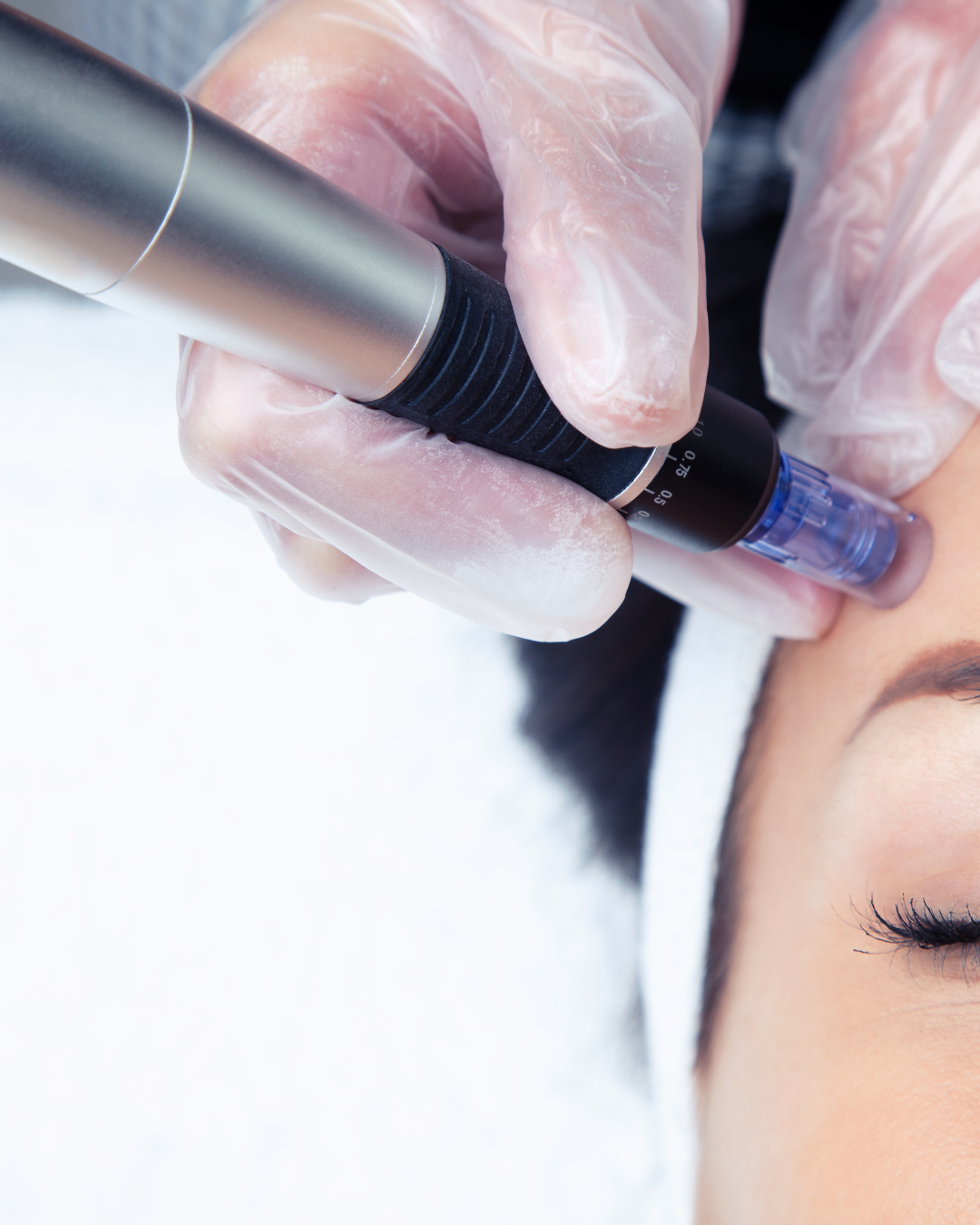
Microneedling — also called collagen induction therapy — is a medical-grade skin treatment that uses a device equipped with ultra-fine needles to create thousands of controlled micro-channels in the surface of the skin. These tiny, precise injuries trigger your body’s natural wound-healing response, stimulating the production of collagen and elastin — the structural proteins responsible for firm, smooth, youthful-looking skin.
As new collagen forms in response to treatment, the skin gradually becomes smoother, tighter, and more even in tone and texture. With each session, the results build — and because microneedling works with your body’s own regenerative processes, the improvements look and feel completely natural.
Microneedling is one of the most versatile skin rejuvenation treatments available. At our Greenville, SC med spa, we use it to address:
It’s suitable for most skin types and tones, making it one of the most inclusive skin rejuvenation options available. During your free consultation, Mandy will evaluate your skin and confirm whether microneedling is the right fit for your specific concerns.
Standard microneedling uses fine needles to stimulate collagen through controlled micro-injuries at the skin’s surface. RF Microneedling takes this a step further by adding radiofrequency energy delivered through the needles into the deeper layers of the dermis — triggering a more powerful collagen response and delivering greater skin tightening and lifting.
Microneedling is an excellent option for improving skin texture, tone, scarring, and overall quality. RF Microneedling is better suited for patients with more significant skin laxity or deeper concerns who want more dramatic tightening results. During your consultation, Mandy will help you decide which option — or which combination — is right for your goals.
Your microneedling appointment at Aura Aesthetics & Wellness is designed to be comfortable and efficient from start to finish.
Before treatment: A topical numbing cream is applied and left on for 20–30 minutes to ensure your comfort throughout the procedure.
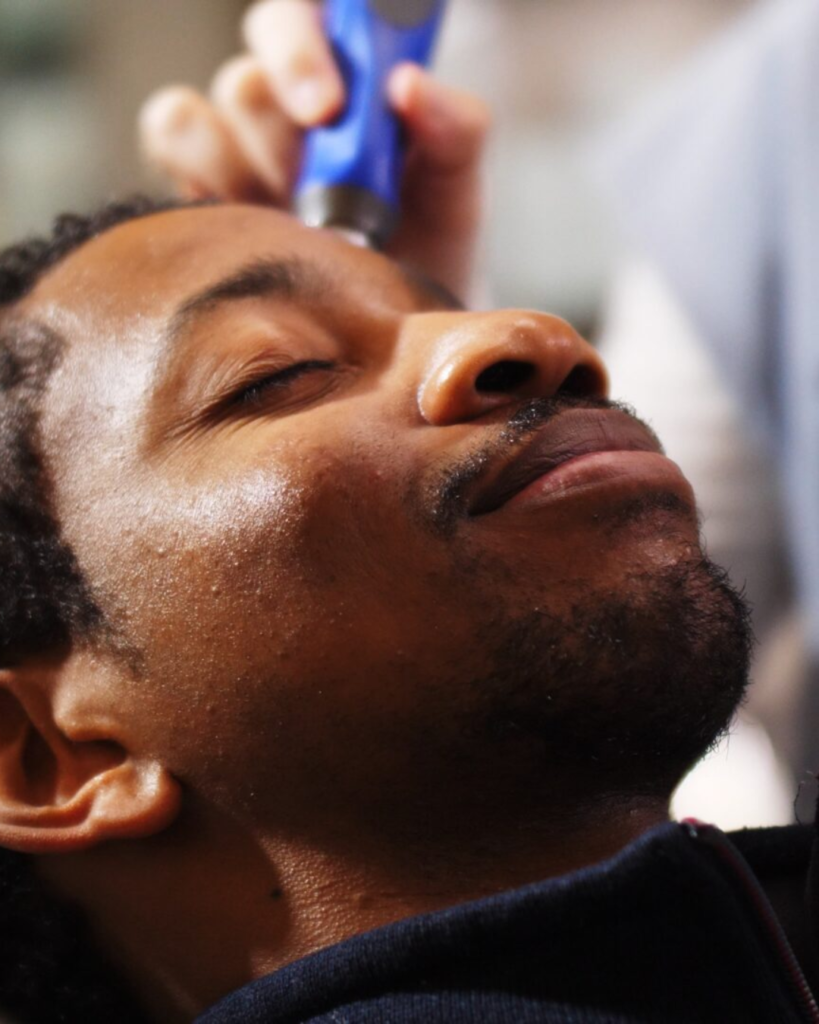
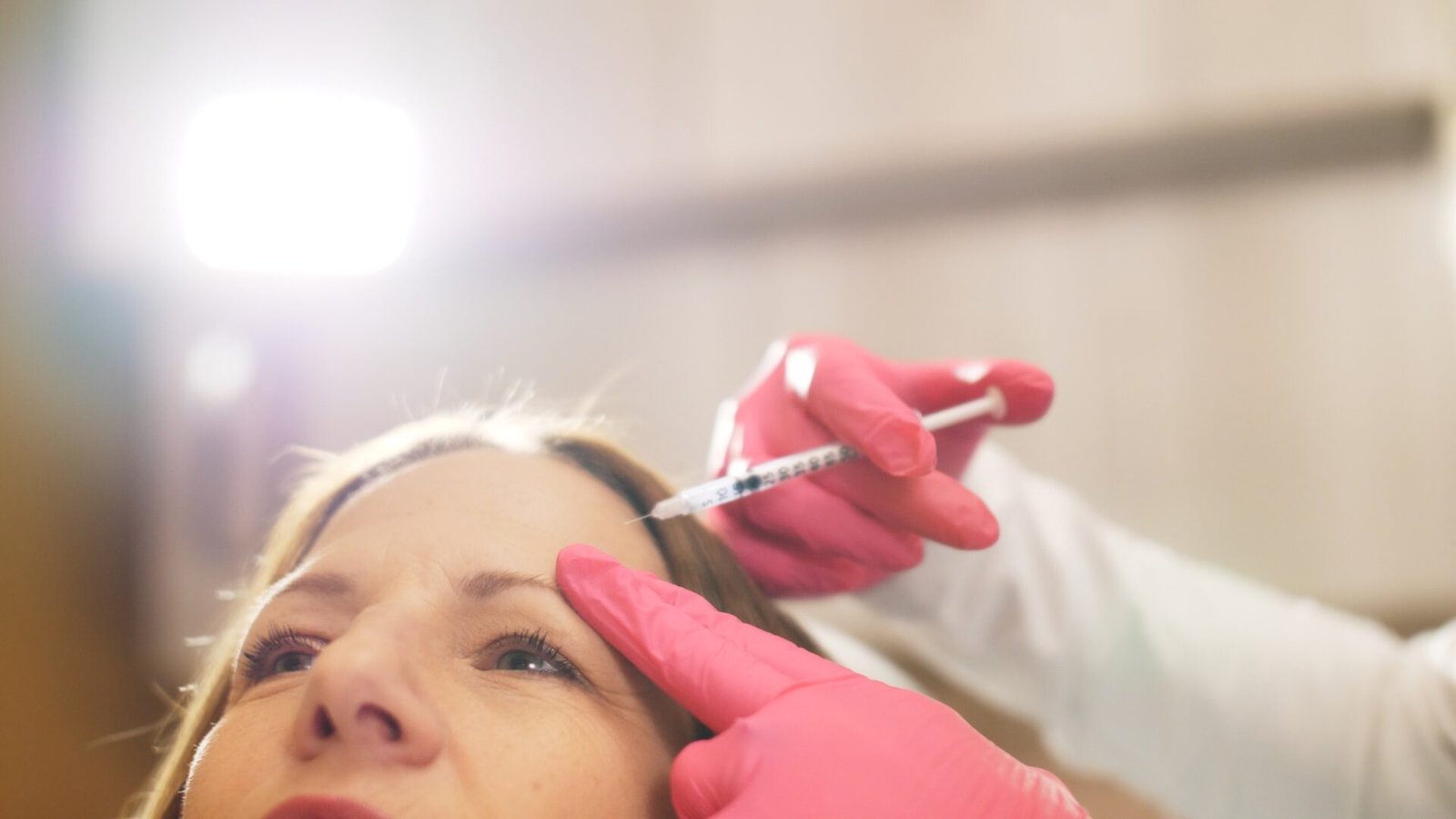
During treatment: The microneedling device is passed systematically over the treatment area, creating precise micro-channels at a customized depth based on your skin’s needs and the concerns being addressed. Most clients describe a mild vibrating or scratching sensation. A full-face treatment typically takes 20–30 minutes.
After treatment: Your skin will appear red and feel sensitive — similar to a moderate sunburn — for 24–48 hours following treatment. This is completely normal and a sign that your skin’s healing response has been activated. Mild peeling or flaking may occur over the following few days as the skin renews itself. We’ll provide detailed aftercare instructions to support healing and protect your results.
Results: Most clients notice an initial improvement in skin radiance and texture within the first week. Deeper improvements in scarring, pore size, and firmness develop over 4–6 weeks as new collagen forms — with results continuing to build with each successive treatment.
Most clients achieve optimal results with a series of 3–6 treatments spaced 4–6 weeks apart. The exact number depends on your skin concerns and goals — mild texture and dullness may respond quickly, while deeper acne scarring typically requires more sessions for significant improvement. During your consultation, Mandy will outline a realistic treatment plan and timeline based on your specific skin.
After completing your initial series, periodic maintenance treatments — typically once or twice a year — help preserve your results and keep your skin at its best.
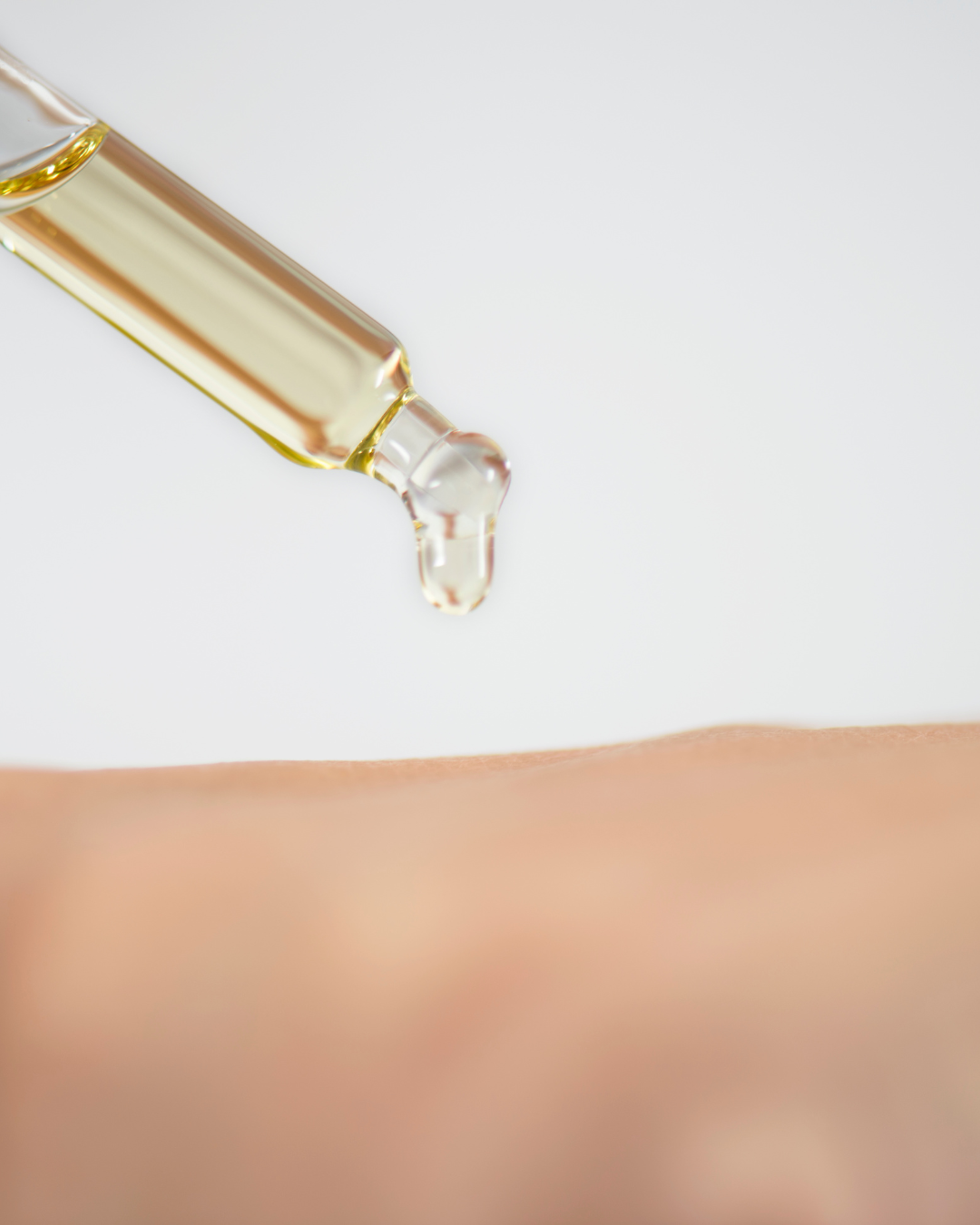
For clients who want to amplify their microneedling results, we offer the option to combine treatment with PRP (platelet-rich plasma). PRP is derived from your own blood and is rich in growth factors that accelerate healing, enhance collagen production, and improve overall skin quality. Applied to the skin immediately after microneedling — when the micro-channels are open and absorption is at its peak — PRP drives these powerful growth factors deeper into the skin for significantly enhanced results.
The combination of microneedling and PRP is particularly effective for acne scarring, significant texture concerns, and overall skin rejuvenation. Ask Mandy during your consultation whether this upgrade is right for your skin.
Microneedling results depend heavily on the quality of the device, the expertise of the provider, and the customization of the treatment to your skin’s specific needs. At Aura Aesthetics & Wellness, every microneedling treatment is performed by Mandy, a PA-C with over 15 years of medical experience. We use professional-grade equipment and take the time to tailor every treatment — including needle depth, pass patterns, and any adjunct therapies — to your unique skin.
We’re proud to serve clients from across the Upstate, including Greenville SC, Greer SC, Easley SC, and Travelers Rest SC. Whether you’re targeting stubborn acne scars, persistent dullness, or simply want to invest in the long-term health and quality of your skin, microneedling at Aura Aesthetics & Wellness is a powerful, natural path to the complexion you’ve been working toward.
Smoother, firmer, more radiant skin is within reach — and it starts with your body’s own healing power. Book your free microneedling consultation at Aura Aesthetics & Wellness in Greenville, SC and find out how collagen induction therapy can transform your skin.
Reignite your skin’s radiance — naturally. Schedule your microneedling consultation today.

During your personalized consultation, we’ll explore your aesthetic goals, review your medical history, and address any concerns to craft a customized treatment plan just for you.
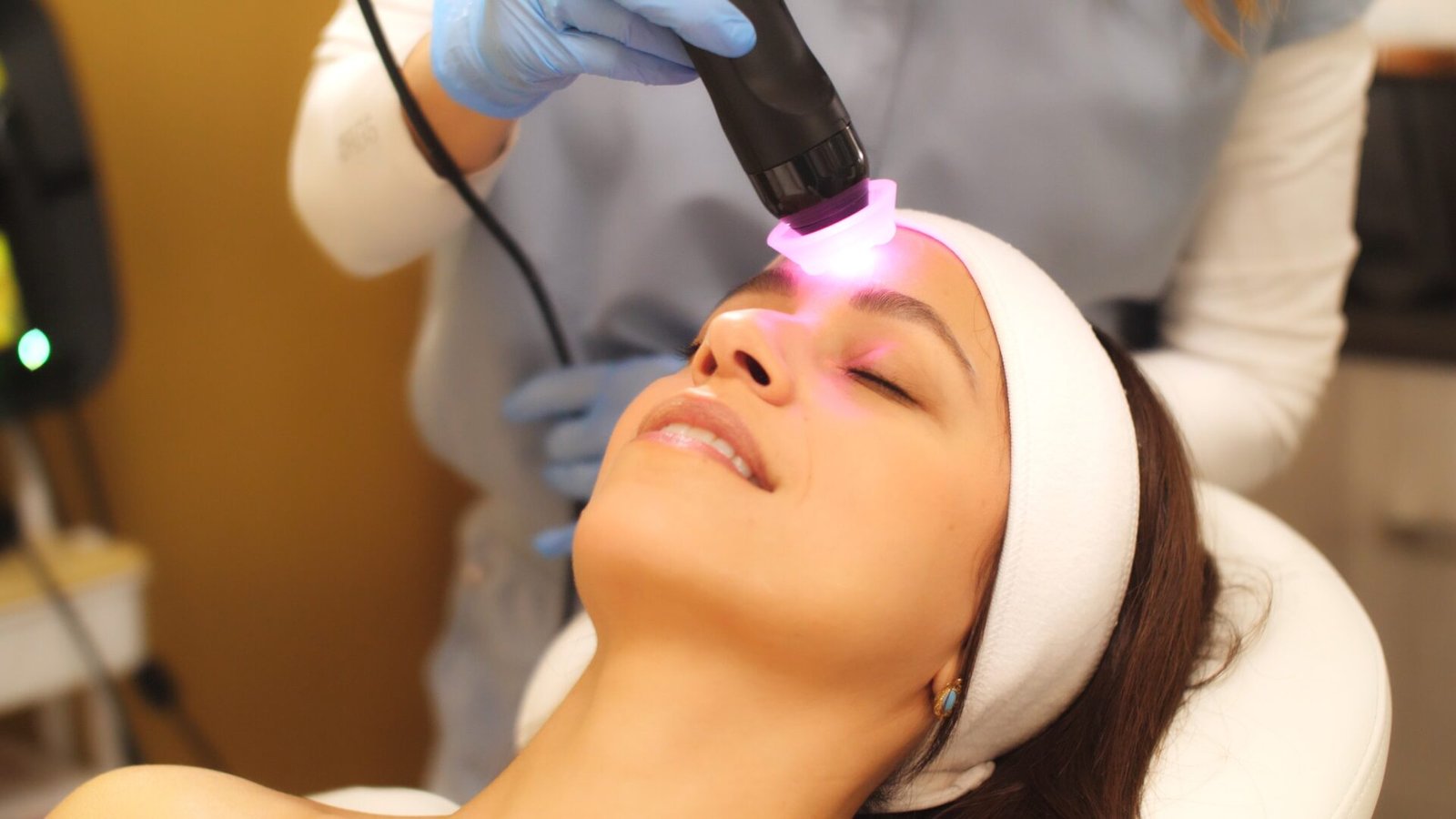
We deliver each procedure with expert precision, prioritize your comfort throughout and provide thorough post-care guidance.
We schedule follow-up visits to monitor your progress, capture the journey with photography, ensure optimal results, and discuss long-term goals and treatment options.

(Valid for 30 days on treatments o$150+)